
In an increasingly digital world, our eyes are working harder than ever. From the glow of computer screens to the strain of night driving, modern life places significant demands on our vision. While regular eye exams are crucial, the simplest and most effective way to safeguard your sight starts not with a lens prescription, but with your plate.
Good nutrition is fundamental to maintaining healthy eyes and reducing the risk of age-related vision problems like cataracts and Age-Related Macular Degeneration (AMD), the leading cause of blindness in older adults. By understanding which specific nutrients your eyes need, you can fortify your diet and keep your vision sharp for years to come.
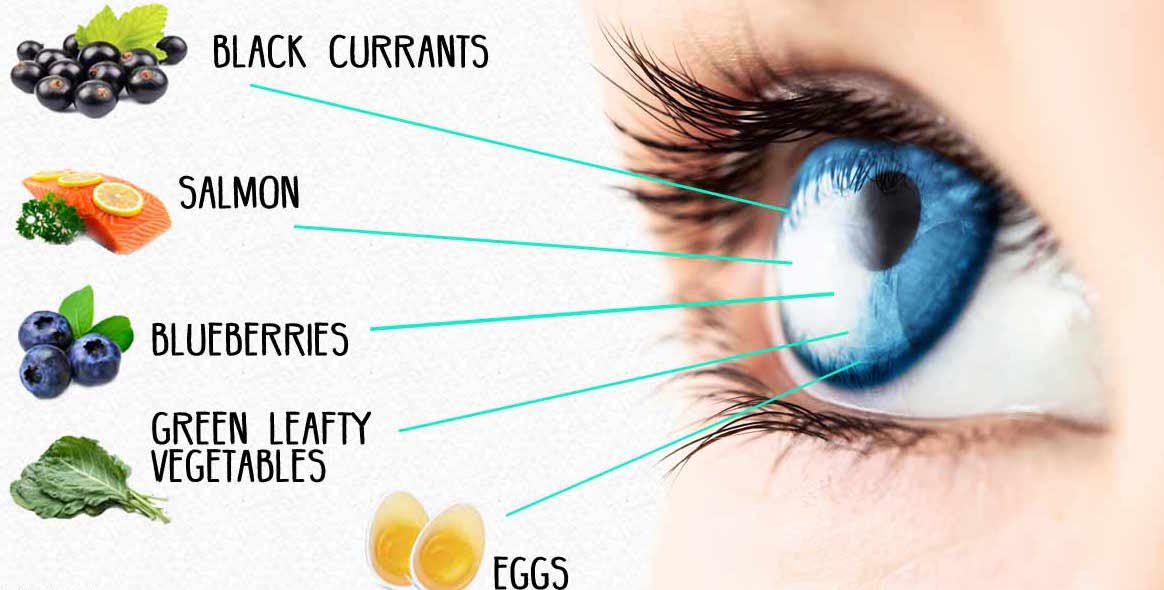
This comprehensive guide breaks down the essential vitamins, minerals, and fatty acids that form the foundation of an eye-healthy diet, along with the best foods to find them in.
The Power Duo: Lutein and Zeaxanthin
If there are two nutrients that are the superheroes of eye health, it is the carotenoids Lutein and Zeaxanthin. These powerful antioxidants are often refer to as “the macula pigments” because they are found in high concentrations in the macula, the small, central part of the retina responsible for sharp, detail central vision.
How They Protect Your Vision:
- Blue Light Filter: Lutein and Zeaxanthin act like internal sunglasses, absorbing damaging blue light from the sun and digital screens before it can harm the delicate retinal tissues.
- Antioxidant Defense: They neutralize free radicals—unstable molecules that can cause oxidative stress and damage to the eye, which contributes to the development of AMD and cataracts.
Where to Find Lutein and Zeaxanthin:
The best sources are intensely color fruits and vegetables, often in surprising places:
- Dark, Leafy Greens: Kale and Spinach are the undisputed champions, packing extremely high levels of both carotenoids.
- Other Vegetables: Collard Greens, Turnip Greens, Broccoli, Brussels Sprouts, and Peas.
- Orange and Yellow Foods: Corn, Orange Bell Peppers, and Zucchini.
- Eggs: The yolk provides Lutein and Zeaxanthin in a highly bioavailable (easily absorbed) form.
To maximize absorption, try eating these foods with a little healthy fat, such as olive oil in a salad or a slice of avocado.
Omega-3 Fatty Acids: The Lubricant and Protector
Omega-3 essential fatty acids, specifically Docosahexaenoic Acid (DHA) and Eicosapentaenoic Acid (EPA). Vital structural components of the retina and play a key role in anti-inflammatory processes throughout the body, including the eyes.
Key Benefits for Eye Health:
- Retinal Structure: DHA is a major structural component of the retina. And its presence is essential for maintaining the integrity and function of the eye’s light-sensing cells.
- Dry Eye Syndrome: Omega-3s help regulate tear production. And improve the quality of the oily outer layer of the tear film, which helps prevent tears from evaporating too quickly. Increase intake is often recommend for those suffering from Dry Eye Syndrome.
- AMD Reduction: Consistent intake of Omega-3s is linked to a lower risk of developing and slowing the progression of AMD.
Where to Find Omega-3s:
- Fatty Fish: Salmon, Tuna, Sardines, Mackerel, and Trout. Aim for two servings of fatty fish per week.
- Nuts and Seeds: Flaxseeds, Chia Seeds, and Walnuts provide Alpha-Linolenic Acid (ALA), a plant-based Omega-3 that the body can partially convert into DHA and EPA.
- Plant Oils: Flaxseed oil and Walnut oil.
The Essential Antioxidant Vitamins: C and E
Vitamins C and E are known for their general health benefits, but they are crucial for eye health because of their powerful antioxidant capabilities.
Vitamin C (Ascorbic Acid)
This water-soluble vitamin is concentrated in the aqueous humor, the fluid that fills the front part of the eye. It is necessary for making collagen, which provides structure to the cornea and sclera.
- Cataract Prevention: High intakes of Vitamin C may help reduce the risk of cataract formation by protecting the eye’s lens from oxidative damage.
- Blood Vessel Support: It supports the health of blood vessels, including the fine capillaries in the retina.
Where to Find Vitamin C: Citrus fruits (oranges, grapefruits), Strawberries, Kiwifruit, Tomatoes, and especially Bell Peppers (Red and Green).
Vitamin E (Alpha-Tocopherol)
This fat-soluble antioxidant works to protect fatty acids from oxidation, particularly those highly vulnerable fats in the retina.
- Cell Protection: Vitamin E is essential for protecting the integrity of eye cells from damaging free radicals.
- Combined AMD Protection: When taken with other key nutrients (as in the landmark AREDS studies), it has been shown to slow the progression of advanced AMD.
Where to Find Vitamin E: Almonds, Sunflower Seeds, Peanuts, Wheat Germ Oil, and Avocados.
The Power of Minerals: Zinc and Vitamin A
Two often-overlooked micronutrients, Zinc and Vitamin A, have highly specific and critical roles in maintaining visual function.
Zinc
Zinc is a vital trace mineral that helps the body absorb Vitamin A and transport it from the liver to the retina. It is a necessary component of many enzymes, including those responsible for chemical reactions in the retina.
- Melanin Production: Zinc is used to create melanin, a protective pigment found in the retina.
- Night Vision: It is crucial for the healthy function of the retina and may help protect against night blindness.
Where to Find Zinc: Oysters (highest source), Lean Red Meat, Poultry, Beans (Legumes), and Nuts.
Vitamin A (Beta-Carotene)
This fat-soluble vitamin is essential for good eyesight, especially in low light. Carrots famously get their eye-health reputation because they contain high levels of beta-carotene, a precursor that the body converts into Vitamin A.
- Rhodopsin Production: Vitamin A is a key component of the protein Rhodopsin, which is necessary for the retina’s ability to absorb light and allow us to see in dim conditions.
Where to Find Vitamin A/Beta-Carotene: Carrots, Sweet Potatoes (one of the richest sources), Pumpkin, and Butternut Squash.
Conclusion: Building an Eye-Healthy Diet
Maintaining excellent eye health is not about consuming a single “superfood”; it’s about consistently eating a varied diet rich in the entire spectrum of protective nutrients. By prioritizing fatty fish, dark leafy greens, colorful fruits and vegetables, and lean protein sources, you are giving your eyes the powerful tools they need to filter light, fight oxidative stress, and maintain sharp vision over a lifetime.
Think of your daily meals as a prescription for clearer sight. When you nourish your body with these essential foods, you are making an investment in your visual future, reducing your risk of common age-related conditions, and ensuring you can enjoy the world in high definition.